BitGo Raises $212M in IPO as Bitcoin Price Stalls
Crypto infrastructure firm BitGo raises $212.8M in a U.S. IPO amid mixed Bitcoin price signals, institutional interest, and evolving market structure.

In a significant step for digital asset security and institutional access, BitGo — a prominent provider of cryptocurrency custody and related financial services — has completed its U.S. initial public offering, securing $212.8 million. This milestone arrives amid Bitcoin displaying mixed technical patterns, with the leading cryptocurrency moving largely sideways around important price zones while participants respond to evolving policy discussions and economic indicators.
Institutional interest, secure storage solutions, and compliant access routes remain central themes driving the cryptocurrency landscape in 2026. This overview covers the BitGo public listing, surrounding market conditions including Bitcoin’s current price dynamics, and key developments in professional participation — with connections to relevant learning materials and analysis available on GetSetCrypto.com.
BitGo’s Public Listing: A Key Advancement for Crypto Infrastructure
Per the latest Yahoo Finance coverage, BitGo successfully raised $212.8 million through its U.S. IPO, representing one of the more substantial public market debuts among crypto infrastructure firms in recent times.
BitGo specializes in institutional-grade custody, advanced wallet technology, and regulatory-compliant services tailored to hedge funds, asset managers, and other large-scale digital asset participants. Its transition to a publicly traded company highlights a wider industry evolution: providers of foundational infrastructure are gaining recognition for enabling safe, regulated engagement with cryptocurrencies.
The listing carries several layers of importance:
- Confirmation of Institutional-Grade Custody Models: As professional investors require robust, auditable storage, firms like BitGo are establishing themselves as essential components of compliant digital asset frameworks.
- Mainstream Investor Trust in Crypto Support Systems: Achieving a sizable public raise demonstrates that traditional capital markets recognize durable value in the operational backbone of the crypto economy, extending beyond token speculation.
- Support for Wider Institutional Entry: A publicly accountable custody leader can help ease concerns around security and compliance, potentially encouraging greater allocations to Bitcoin, Ethereum, and select alternatives.
For additional perspective on how professional demand influences overall market structure, review our feature on institutional adoption and market trends.
Bitcoin’s Current Price Action: Cautious Trading Environment
Alongside notable infrastructure milestones such as the BitGo IPO, Bitcoin continues to exhibit cautious, range-bound price movement.
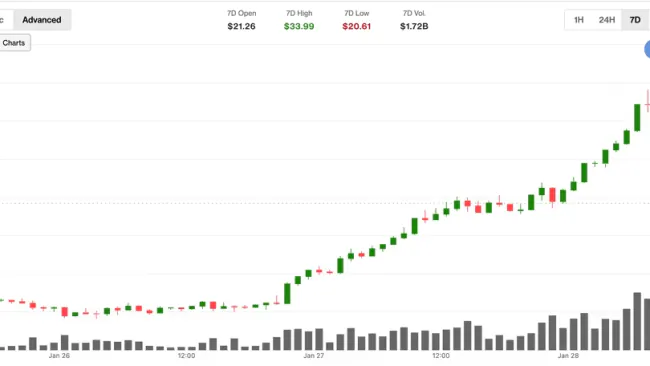
Current tracking places Bitcoin near the $88,000 region, having briefly approached $90,000 before pulling back. This pattern reflects prevailing market psychology:
- Short-term fluctuations driven by macroeconomic headlines and policy-related developments.
- Institutional risk reassessment amid shifting narratives in both political and economic spheres.
These phases frequently emerge when markets weigh positive long-term adoption drivers against immediate-term uncertainties. For detailed examination of Bitcoin’s recent consolidation under current pressures, see our dedicated report: Bitcoin price consolidation amid geopolitical tensions & ETF outflows.
Why Institutional-Grade Custody Remains Essential
Safe, compliant storage continues to serve as a foundational requirement for large-scale cryptocurrency involvement. Professional investors and institutions generally insist on high-assurance custody before committing meaningful capital. BitGo’s public listing success underscores how critical trusted custodians have become in building credibility and expanding scale within digital markets.
Core Priorities for Institutional Custody
Institutional decision-makers typically focus on:
- Asset security and recovery safeguards to mitigate operational and cyber risks.
- Alignment with regulatory standards including segregation, audit trails, and transparent reporting.
- Seamless integration capabilities through APIs, portfolio reporting, and connectivity to traditional financial systems.
These elements form the backbone of institutional confidence and directly influence broader adoption trajectories.
For a wider perspective on blockchain systems that enable secure, scalable operations, visit our blockchain info resources.
Broader Macroeconomic & Regulatory Surroundings
The BitGo IPO takes place against a backdrop of continuing economic and policy influences on cryptocurrency markets in 2026:
Ongoing Regulatory Conversations
Policy discussions remain active:
- In the U.S., lawmakers continue debating frameworks for digital asset classification, trading oversight, and investor safeguards.
- Other major regions are implementing structured approaches that blend cryptocurrency with established financial rules.
Track these global developments in our crypto regulation & policy coverage.
Economic Variables and Market Mood
Broader factors — including geopolitical events, monetary policy direction, and cross-asset relationships — continue to shape sentiment. Bitcoin’s recent consolidation, combined with measured commentary from analysts, points to short-term caution despite supportive longer-term fundamentals.
Combining macro awareness with infrastructure milestones like BitGo’s listing helps build a balanced understanding of current conditions.
For structured approaches to interpreting economic influences on crypto, explore the crypto education / market analysis materials.
What BitGo’s Public Listing Indicates for the Sector’s Trajectory
Advancement of Compliant Crypto Services
The successful IPO reinforces a central theme: crypto-supporting infrastructure is transitioning into recognized, regulated financial services. Companies like BitGo function not merely as storage providers but as critical trust-builders connecting digital assets to conventional capital channels.
This evolution may help:
- Facilitate increased traditional finance participation in cryptocurrency markets.
- Encourage future public offerings among infrastructure-focused crypto firms.
- Accelerate development of regulated crypto-linked financial instruments.
Institutional Engagement Extending Past Custody
Custody represents only one dimension of growing professional interest:
- Standardized over-the-counter trading continues to deepen liquidity for large transactions.
- Advisory and portfolio management services assist institutions in building compliant strategies.
- Tokenized real-world assets and regulated derivatives serve as important connectors between legacy and digital finance.
These trends are examined further in our content on institutional adoption & market trends.
Navigating Volatility and Risk Considerations
Despite positive infrastructure progress, cryptocurrency markets continue to exhibit meaningful volatility. Participants should remain attentive to:
- Price reactions surrounding major economic data releases.
- Technical levels that often guide near-term Bitcoin and Ethereum movements.
- Portfolio diversification across asset categories and use cases.
Foundational guidance on these subjects appears in our crypto education / beginner guides.
Conclusion: Infrastructure Progress Amid Market Evolution
BitGo’s $212.8 million IPO stands as more than a company achievement — it reflects rising institutional belief in cryptocurrency operational foundations. Even as Bitcoin maintains a watchful trading stance and regulatory clarity continues to take shape, advancements in infrastructure strengthen the ecosystem’s long-term resilience.
The interaction between secure custody solutions, professional capital allocation, policy progress, and price behavior points toward 2026 as another period of meaningful development for digital assets — where infrastructure reliability grows increasingly central alongside asset-level narratives.