Differences Between Layer 1 and Layer 2 Blockchains
Explore the key differences between Layer 1 and Layer 2 blockchains, including scalability, transaction speed, security, and real-world use cases. Learn how these layers impact Ethereum, Bitcoin, and other blockchains.
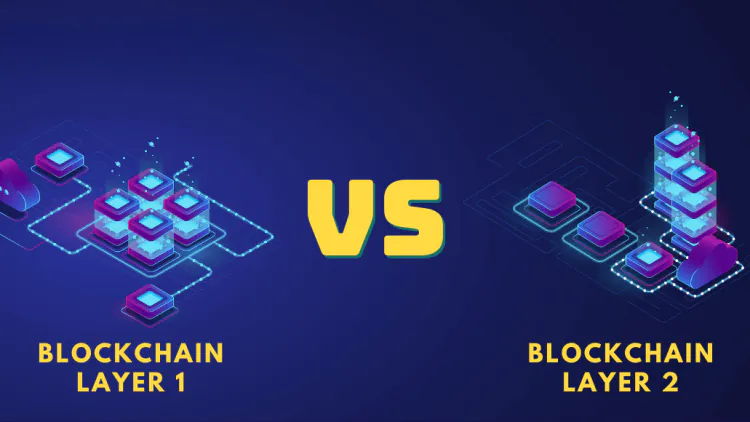
The blockchain space continues to advance quickly, making it vital to distinguish between Layer 1 and Layer 2 networks. These two layers serve complementary purposes within the overall architecture, each offering unique strengths and facing distinct trade-offs that impact developers, investors, and everyday users.
This overview examines the core differences between Layer 1 and Layer 2 solutions, their contributions to scalability, security, and performance, and their combined role in driving the next phase of decentralized finance and applications.
What Defines a Layer 1 Blockchain?
Layer 1 blockchains form the foundational layer of decentralized networks. They are independent protocols—such as Bitcoin and Ethereum—responsible for transaction processing, data validation, consensus enforcement, and ledger maintenance. Security is achieved through native consensus mechanisms like Proof-of-Work (PoW) or Proof-of-Stake (PoS).
Principal attributes of Layer 1 networks include:
- Built-in Security: All transaction validation and network protection occur directly at the protocol level.
- Consensus Enforcement: Native mechanisms (PoW, PoS, etc.) secure the chain without relying on external layers.
- Native Assets: Each Layer 1 typically has its own primary token (BTC for Bitcoin, ETH for Ethereum).
- Throughput Constraints: Base-layer design often leads to congestion and higher costs during peak usage.
Well-known Layer 1 examples:
For newcomers, Layer 1 represents the core foundation of blockchain systems. More on Layer 1 scalability limitations can be found in our Beginner Guides.
What Defines a Layer 2 Blockchain?
Layer 2 solutions are scaling technologies constructed atop Layer 1 chains. They process the majority of transactions off the main chain while still leveraging the underlying Layer 1 for final settlement and security guarantees.
Main features of Layer 2 networks:
- Enhanced Scalability: Capable of supporting thousands of transactions per second without burdening the base layer.
- Off-Chain Execution: Transactions occur off-chain, with periodic or final settlement posted back to Layer 1.
- Reduced Costs: Significantly lower fees compared to direct Layer 1 usage.
- Improved Speed: Near-instant confirmations suitable for high-frequency or micro-transactions.
Representative Layer 2 implementations:
- Polygon (Ethereum scaling)
- Lightning Network (Bitcoin payments)
- Arbitrum and Optimism (Ethereum rollup solutions)
Layer 2 protocols are especially valuable for DeFi platforms, NFT marketplaces, gaming, and micropayment systems that require fast, affordable transactions. Additional technical terminology related to Layer 2 can be explored here.
Layer 1 vs Layer 2: Side-by-Side Comparison
| Feature | Layer 1 | Layer 2 |
|---|---|---|
| Definition | Base blockchain protocol | Scaling layer built atop Layer 1 |
| Scalability | Limited by native design | High; supports thousands of TPS |
| Transaction Fees | Higher during congestion | Substantially lower |
| Security | Native and robust | Inherits security from Layer 1 |
| Examples | Bitcoin, Ethereum | Lightning Network, Polygon, Arbitrum |
| Use Cases | Store of value, smart contracts | DeFi, NFTs, high-frequency payments |
| Consensus | PoW, PoS, etc. | Relies on Layer 1 for final settlement |
| Complexity | Simpler for end users | Requires integration with base layer |
This comparison underscores why Layer 2 has become indispensable for widespread blockchain usage, particularly within Ethereum-centric DeFi ecosystems. For more on EVM vs non-EVM compatibility and its relation to Layer 2 scaling, see our related article.
How Layer 1 and Layer 2 Interact
Layer 1 and Layer 2 function in a symbiotic relationship: Layer 1 delivers decentralization and security, while Layer 2 provides speed and cost efficiency. Typical workflow:
- Ethereum (Layer 1) maintains consensus and final settlement using PoS.
- Polygon (Layer 2) executes high-volume transactions off-chain at low cost.
- Finalized state or proofs are anchored back to Layer 1, preserving overall security.
This layered approach enables global-scale adoption without sacrificing the decentralization properties that define blockchain technology.
Strengths of Each Layer
Layer 1 Strengths:
- Strong native security and decentralization
- Proven consensus mechanisms
- Ideal for long-term value storage and trust-minimized applications
Layer 2 Strengths:
- Rapid transaction processing
- Drastically reduced fees
- Well-suited for high-throughput applications (DeFi, gaming, micropayments)
Common Limitations
Layer 1 Limitations:
- Restricted transaction throughput
- Elevated fees during network peaks (especially Ethereum)
- Congestion under heavy demand
Layer 2 Limitations:
- Added complexity for newcomers
- Security ultimately depends on Layer 1
- Potential smart contract vulnerabilities during bridging or integration
Recognizing these constraints helps participants select the appropriate layer for specific applications or investment strategies.
Practical Applications
Layer 1 Use Cases:
- Bitcoin as a digital store of value and payment rail (source)
- Ethereum for smart contract execution (source)
Layer 2 Use Cases:
- Polygon powering NFT marketplaces (source)
- Lightning Network enabling instant, low-cost Bitcoin transactions (source)
Looking Ahead: The Evolution of Layer 1 and Layer 2
The blockchain future will likely feature Layer 1 chains providing security foundations while Layer 2 networks deliver scalable execution. Developments such as Ethereum’s sharding roadmap and widespread rollup adoption signal a shift toward integrated, multi-layered architectures.
Keeping track of progress in both layers is crucial for informed participation—whether building applications, investing, or using decentralized services. Layer 2 advancements drive user-facing improvements, while Layer 1 innovations ensure long-term resilience and decentralization.
Explore additional insights on blockchain scalability solutions.
Conclusion
Grasping the interplay between Layer 1 and Layer 2 blockchains is fundamental for anyone navigating the cryptocurrency landscape. Layer 1 delivers the bedrock security and decentralization, while Layer 2 unlocks the speed, affordability, and throughput needed for mainstream adoption. Together they create a powerful, layered ecosystem capable of supporting global-scale decentralized finance, applications, and innovation.