Institutional Adoption, Altcoin Competition, and Market Trends Shaping Bitcoin & Ethereum
Explore the latest crypto market developments for 2026 — institutional adoption, Bitcoin & Ethereum trends, altcoin dynamics, and macro influences. Insights you need for strategy and portfolio positioning.
The digital asset sector in 2026 is advancing at a fast pace. Institutional participation, clearer rules in multiple regions, and growing rivalry among alternative coins are the primary forces directing market trends. Important recent events involve expanded regulated crypto investment vehicles, rising hedge fund engagement with virtual assets, and changing preferences among investors for major cryptocurrencies including Bitcoin, Ethereum, Solana, and XRP. This piece brings together the latest confirmed reports and market observations to deliver useful guidance for cryptocurrency participants and followers throughout 2026.
Institutional Involvement Reaches a New Stage
One of the standout movements taking shape in the first part of 2026 is the increasing depth of institutional engagement with cryptocurrencies. A Reuters article notes that UBS is considering crypto investment possibilities for a selected group of private banking customers, focusing first on Bitcoin and Ethereum. The decision demonstrates strong interest from wealthy clients and large organizations in gaining controlled, compliant exposure to digital currencies.
Institutional activity produces several meaningful effects:
- A transition away from markets powered almost entirely by individual retail traders toward environments supported by professional and institutional money.
- Greater overall acceptance and credibility of cryptocurrencies inside conventional regulated financial systems.
- Rising requirement for professional-grade custody solutions, advanced trading platforms, and thorough compliance tools.
On another front, BitGo Holdings — an important player in cryptocurrency custody — raised $212.8 million through its U.S. initial public offering. This achievement highlights widespread trust in dependable institutional infrastructure designed for digital asset management.
Sustained institutional money flows combined with maturing support systems make it evident that large-scale professional adoption has moved from concept to reality and is actively reshaping the architecture of crypto markets during 2026.
To explore further how blockchain is being integrated into corporate strategies and mainstream financial services, take a look at our coverage of blockchain business and the changing position of institutions within the cryptocurrency space.
Bitcoin’s Position and Strategic Importance
Bitcoin stays at the core of the cryptocurrency ecosystem in 2026 — both by total market value and as the main target for institutional allocation strategies. Recent research shows that strong demand from institutions has substantially altered Bitcoin’s supply picture, with large holders taking in considerable amounts of newly created coins as well as coins already in circulation.
Bitcoin’s shifting purpose reveals itself in several important ways:
1. Strategic reserve asset: Companies and institutional investment vehicles are more and more treating Bitcoin as a durable long-term holding rather than a short-term trading instrument, making corresponding adjustments to their financial statements.
2. ETF integration: Spot Bitcoin exchange-traded funds continue acting as an accessible, regulated route for investors outside the crypto-native world to participate, boosting liquidity and market thickness.
3. Payments and settlement use: Moving past pure investment purposes, Bitcoin is progressively finding application in payment finalization and corporate transaction flows — roles traditionally filled only by conventional fiat currencies.
Even though short-term price fluctuations continue, these deeper structural patterns reinforce the view that Bitcoin is steadily moving toward wider financial system integration — far beyond simple price speculation.
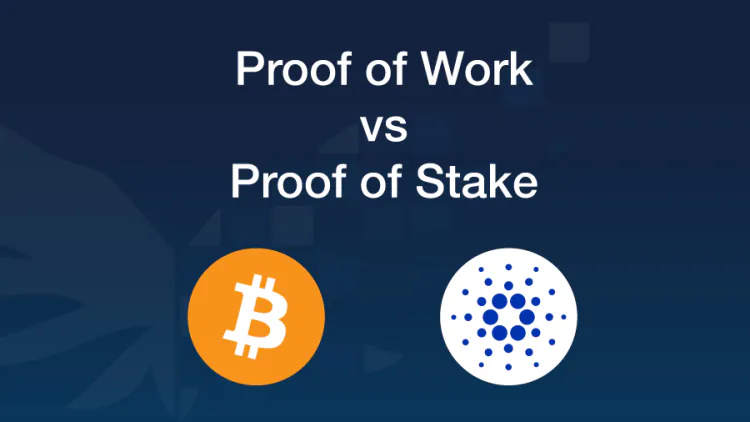
For essential background on Bitcoin’s consensus process and its economic role inside blockchain networks, review our detailed comparison: Proof of Stake vs Proof of Work: Key Differences & Comparisons.
Altcoin Movements: Ethereum, XRP, Solana and More
Apart from Bitcoin, alternative cryptocurrencies are taking on greater significance as participants search for portfolio variety and exposure to specialized real-world functionalities.
Ethereum
Ethereum holds its place as the number-two cryptocurrency by market capitalization and remains the leading environment for smart contracts, DeFi applications, and NFT projects. Market patterns in the opening months of 2026 show Ethereum price action settling near important technical support zones after considerable movement toward the end of 2025.
Regulated products like Ether ETFs and staking-oriented vehicles are steadily attracting more attention, giving investors compliant ways to gain exposure to ETH.
XRP and Institutional Appeal
XRP keeps drawing notice because of its effectiveness in cross-border transfers and settlement scenarios. Spot XRP ETFs have attracted especially strong institutional capital inflows in recent data, outperforming various competing products in total net flows. This pattern points to an emerging view among investors that altcoins should be assessed not only for potential price appreciation but also for genuine utility and structured institutional demand.
Solana and Other Developing Networks
High-performance layer-1 blockchains such as Solana and Stellar continue building traction thanks to enhancements in processing capacity, cost efficiency, and practical applications. Notably, institutional interest has increased around compliance-oriented features — for example privacy-focused improvements on networks like Stellar.
To better compare various blockchain designs and their practical applications, check out our guide: Differences Between Layer-1 and Layer-2 Blockchains.
Hedge Funds and Specialized Crypto Vehicles
Institutional presence extends well beyond ETFs and wealth management services. Both traditional finance players and crypto-focused companies are introducing purpose-built funds aimed at taking advantage of market dislocations and price swings. One notable case is Galaxy Digital’s intention to start a $100 million hedge fund in early 2026, concentrating on digital assets together with fintech-related equities and directing up to 30% toward crypto tokens.
Funds of this kind add an additional dimension to institutional participation — bringing experienced portfolio managers who apply disciplined traditional investment approaches to the cryptocurrency domain. This evolution is likely to contribute to greater market steadiness and indicate increasing maturity over time.
Macro Factors and Market Framework Observations
Although progress in adoption and institutional organization is encouraging, larger economic and geopolitical influences continue exerting pressure on cryptocurrency prices. A recent news item related to tariff-related tensions caused temporary downward movement in crypto valuations — a clear example of how worldwide developments can quickly shift market mood.
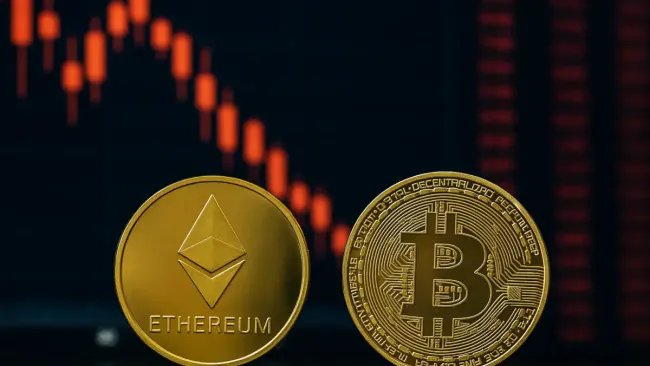
At the same time, digital asset markets have gone through extended consolidation periods. Both Bitcoin and Ethereum have found it difficult to build fresh upward momentum following powerful rallies in the closing months of 2025.
Keeping track of these broader economic patterns and market structure shifts remains essential alongside watching institutional capital movements, since short-term price reactions are frequently driven by macro conditions even as longer-term adoption trends move forward.
To see how price behavior connects with wider economic forces, read our analysis: Bitcoin Price Consolidation Amid Geopolitical Tensions & ETF Outflows.
Regulatory and Legal Landscape
The rules governing digital assets in 2026 are still taking shape. Certain regions are putting in place well-defined legal structures and categorizations for crypto assets, while uncertainty persists in others.
Improved regulatory transparency typically goes hand-in-hand with higher levels of institutional involvement — regulated organizations need predictable compliance requirements before committing client funds. Relevant frameworks often cover digital asset classification, rules for custody providers, and processes for approving crypto-related investment products in key financial centers.
To keep informed about evolving regulations and policy changes, visit our dedicated section: Crypto Regulation & Policy.
The Wider Picture of Cryptocurrency Adoption
Beyond institutional activity and price levels, usage statistics for cryptocurrencies are climbing worldwide. Forecasts suggest that by early 2026 more than one billion individuals may own or actively use digital currencies, while global mobile wallet installations have exceeded 1.1 billion.
This widespread growth in participation is visible through:
- Increased reliance on mobile wallets for everyday payments and international money transfers
- Broadening acceptance of cryptocurrencies as an alternative route to financial services
- Expansion into many different applications beyond just holding for investment purposes
When combined with stronger institutional structures and improved market infrastructure, these adoption patterns reinforce the long-range outlook for digital assets becoming integral parts of conventional financial ecosystems.
For perspectives on the relationship between digital assets, global economics, and emerging technologies, explore our digital economy section.
Conclusion: Key Developments to Follow in 2026
The cryptocurrency environment during 2026 is moving through an important transitional stage — shifting away from primarily retail-led cycles toward a more sophisticated balance of institutional capital, regulatory advancement, and macroeconomic dynamics. Central themes include:
- Deeper institutional integration via ETFs, custody services, and private banking channels
- Rising structured capital flows into altcoins such as XRP and Solana
- Short-term price volatility driven by macroeconomic conditions and geopolitical developments
- Continued worldwide expansion of usage through mobile interfaces and alternative financial pathways
Both investors and industry participants should carefully track progress across market conditions, regulatory updates, and institutional activity to manage risks and capture opportunities in this evolving space.
For continuous news and market updates, check the crypto news hub. For core educational material necessary to interpret market movements, visit the crypto education section.