Former NYC Mayor Eric Adams and the NYC Token: Understanding Rug Pull Risks in Crypto
A detailed look at the NYC Token controversy involving former New York City mayor Eric Adams, how rug pull schemes work, and what investors should know to stay safe in the crypto market.
Cryptocurrency continues to attract attention from public figures, innovators, and everyday investors. However, with growing adoption comes increased risk. A recent controversy involving former New York City mayor Eric Adams and a newly launched digital token has sparked renewed discussion around investor protection, transparency, and so-called “rug pull” schemes in the crypto space.
This article breaks down the situation in a neutral, educational manner, explains how rug pulls typically work, and highlights key lessons for crypto investors.
The NYC Token Announcement
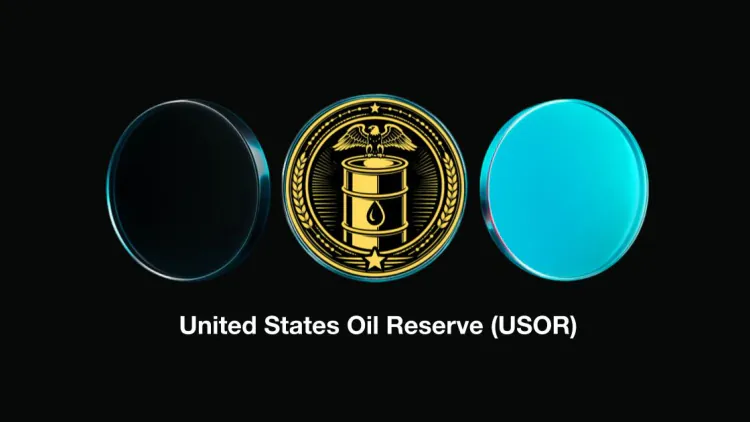
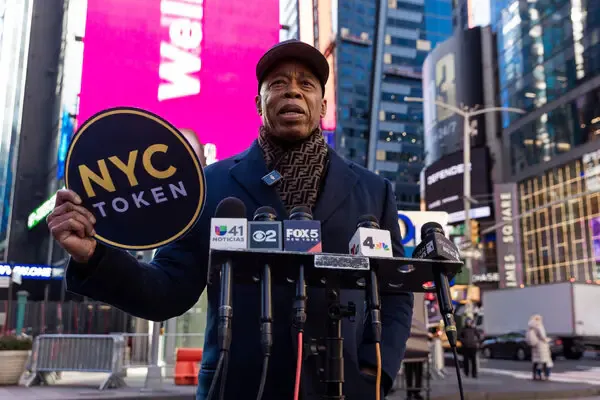
Shortly after leaving office, Eric Adams publicly promoted a new cryptocurrency often referred to as the NYC Token. During a press appearance in Times Square, the project was presented as a digital initiative with social goals, including supporting causes such as community development and broader financial inclusion.
While the announcement attracted attention, few technical or operational details were shared publicly at the time. Information about the token’s developers, long-term roadmap, and governance structure remained limited.
Despite the lack of transparency, interest surged quickly, and the token’s market capitalization reportedly climbed into the hundreds of millions of dollars within a short period.
Eric Adams and Cryptocurrency Advocacy
During his time as mayor, Eric Adams was known for his supportive stance on digital assets. He publicly discussed blockchain technology and even explored receiving portions of his salary in Bitcoin as a symbolic endorsement of crypto innovation.
This background likely contributed to investor confidence when the NYC Token was introduced. Analysts note that recognizable public figures can significantly influence market sentiment, especially among retail investors.
Understanding Rug Pull Allegations
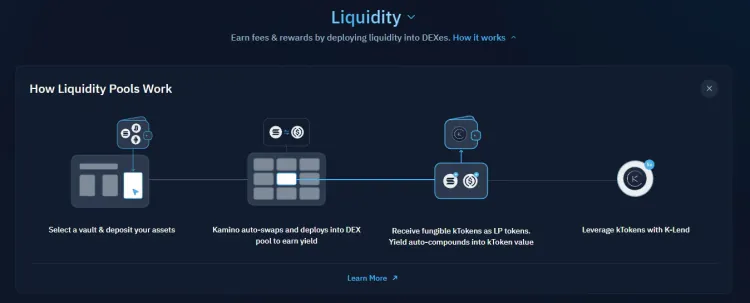
Blockchain analysis later revealed that a wallet associated with the token’s deployment removed a substantial amount of liquidity after the token’s price increased. While some funds were later returned, a notable portion was not restored.
This pattern aligns with what the crypto industry commonly refers to as a rug pull—a scenario where insiders withdraw liquidity, leaving other investors holding assets that rapidly lose value.
It is important to note that allegations do not automatically imply legal conclusions. However, such events raise concerns about project transparency and risk management.
What Is a Rug Pull?
A rug pull typically involves:
-
Launching a new token with heavy promotion
-
Encouraging early investment and price growth
-
Withdrawing liquidity or selling large insider holdings
-
Leaving remaining investors with limited exit options
These schemes often rely on hype, urgency, and fear of missing out (FOMO). While not all failed projects are scams, rug pulls remain one of the most common risks in decentralized markets.
Legal and Regulatory Considerations
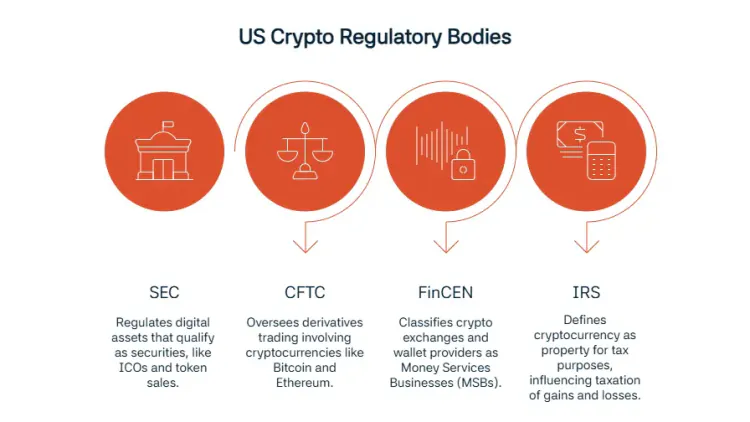
The legal status of rug pulls can be complex. Traditional “pump and dump” schemes are illegal in regulated securities markets, but cryptocurrency regulation varies by jurisdiction.
Recent regulatory changes in the United States have shifted oversight of digital assets, treating many cryptocurrencies more like commodities than securities. This evolving framework can make enforcement more challenging and outcomes less predictable for investors seeking legal recourse.
How Investors Can Protect Themselves
While no investment is risk-free, experts consistently recommend the following steps before engaging with new crypto projects:
1. Review the Whitepaper
A legitimate project should publish a detailed whitepaper outlining its purpose, technology, and token economics.
2. Check Team Transparency
Anonymous teams are common in crypto, but lack of accountability increases risk.
3. Analyze Liquidity Locks
Look for evidence that liquidity is locked or governed by transparent smart contracts.
4. Avoid Hype-Driven Decisions
Rapid price increases fueled solely by promotion should be approached with caution.
5. Use Independent Research Tools
Blockchain explorers, analytics platforms, and even AI tools can help identify copied or low-quality documentation.
The Bigger Picture
Rug pull incidents continue to cost investors significant amounts each year. While blockchain technology offers innovation and opportunity, speculative tokens without clear fundamentals remain high-risk.
Financial experts generally advise that individuals avoid allocating money they cannot afford to lose into highly speculative digital assets.
Final Thoughts
The NYC Token situation highlights the importance of due diligence, transparency, and skepticism in cryptocurrency investing. Public endorsements and strong narratives do not replace verifiable fundamentals.
As the crypto ecosystem matures, education remains the most effective defense against costly mistakes.