Sweeping New Rules, Enforcement Shifts, and Growing Legal Frameworks (January 2026)
Stay updated with the latest developments in cryptocurrency regulation and policy from around the world, including global compliance trends, Brazil’s streamlined crypto banking rules, tax clarity efforts, XRP asset classification in Japan, and enforcement shifts in the U.S.

Cryptocurrency regulation continues to evolve at a rapid pace, with governments and financial authorities worldwide actively shaping frameworks for digital assets. Over the past 48 hours, several significant updates have emerged—from policy adjustments in Brazil and Japan to global compliance forecasts and changing enforcement priorities in the United States.
As regulators transition from policy design to active implementation and oversight, crypto businesses, investors, and stakeholders face new compliance expectations aimed at fostering innovation while strengthening consumer safeguards.
1. PwC Forecasts 2026 as the Year of Real Regulatory Enforcement
A recent PwC analysis, published two days ago, identifies 2026 as a pivotal year for global crypto regulation. The report predicts that many jurisdictions will move beyond drafting rules toward active supervision, enforcement, and compliance monitoring in major markets.
Regulators are expected to prioritize risk-focused oversight and enforcement tools over purely conceptual guidelines. Greater clarity around token classification, AML/CFT obligations, and licensing regimes should encourage more institutional involvement and boost overall market confidence. Key policy areas likely to dominate include stablecoin oversight, DeFi supervision, and international coordination efforts.
2. Brazil Eases Crypto Participation Rules for Banks and Brokers
Yesterday, Brazil’s Central Bank revised its regulatory guidelines to simplify participation in digital asset markets for licensed banks and brokerage firms. The updated framework clarifies custody, trading, and transaction-handling requirements specifically for regulated financial entities engaging with cryptocurrencies.
This change is widely interpreted as an effort to draw institutional capital and improve integration between traditional finance and crypto ecosystems. The revisions also refine AML procedures and compliance standards for Virtual Asset Service Providers (VASPs), aiming to create a more predictable environment for institutional players.
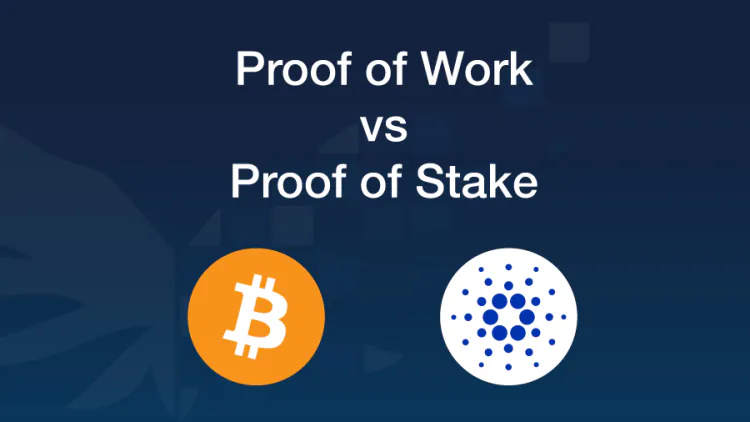
For insights into how traditional finance adapts to blockchain developments, explore our comparison of proof-of-stake vs proof-of-work consensus models.
3. Crypto Industry Calls for Tax Clarity and Relief in Upcoming Budgets
Today, several crypto associations and exchanges formally submitted proposals to various governments, urging clearer tax treatment and potential relief measures for virtual digital assets (VDAs) in forthcoming national budgets.
Industry representatives argue that well-defined tax rules would reduce uncertainty, lower compliance burdens, and encourage wider adoption among both retail and institutional participants. These recommendations reflect growing recognition that ambiguous taxation policies can hinder innovation and create uneven enforcement across jurisdictions.
4. Japan Advances Toward Classifying XRP as a Regulated Financial Instrument
Japanese regulators today indicated progress toward formally categorizing XRP (Ripple’s native token) as a regulated financial asset under existing securities and financial services laws.
This step provides greater legal certainty for investors and service providers, aligning XRP more closely with traditional financial instruments. The move is expected to facilitate increased institutional participation by offering clearer regulatory treatment and reducing classification ambiguity. For broader context on regional regulatory variations, refer to our analysis of crypto market dynamics amid geopolitical factors.
5. U.S. CFTC Shifts Enforcement Focus Under New Direction
A notable change in U.S. regulatory posture has emerged: the Commodity Futures Trading Commission (CFTC) has significantly narrowed its enforcement scope. Recent data shows only 11 enforcement actions filed in 2025—down sharply from 58 the previous year—with corresponding monetary penalties also declining substantially.
Under refreshed leadership, the agency has reoriented priorities toward clear cases of fraud, manipulation, and direct investor harm, moving away from pursuing purely technical or procedural violations. This more targeted approach appears to reflect a deliberate effort to balance robust consumer protection with an environment that supports legitimate innovation.
A similar trend is visible at the Securities and Exchange Commission (SEC), which has likewise concentrated enforcement resources on matters involving demonstrable investor damage.
6. Six Major Global Regulatory Trends Identified by PwC
PwC’s latest report also outlines six overarching trends currently shaping crypto regulation worldwide:
- Greater harmonization of AML/KYC standards across borders
- More precise classification frameworks for different token types
- Stronger cross-jurisdictional enforcement coordination
- Heightened focus on stablecoin governance and oversight
- Deeper integration of blockchain technology into conventional financial infrastructure
- Expanded transparency and reporting obligations for market participants
These developments illustrate a worldwide convergence toward balanced frameworks that address both innovation potential and systemic risk management.
7. Practical Implications for Crypto Participants
Collectively, these updates point to several near-term consequences:
a. Heightened Compliance Expectations
Both crypto-native firms and traditional financial institutions will need to strengthen AML/CFT controls, licensing adherence, and reporting practices to align with evolving standards.
b. Rising Institutional Engagement
Clearer rules in markets like Brazil and Japan, combined with more predictable enforcement in the U.S., should help attract greater institutional capital and liquidity.
c. Evolving Tax and Reporting Obligations
As governments refine digital asset taxation policies, both individual and corporate participants will need to adjust accounting, reporting, and compliance strategies accordingly.
d. Enforcement Prioritizing Actual Harm
Regulators increasingly target demonstrable fraud and manipulation rather than technical breaches, potentially creating a more innovation-friendly environment for compliant projects.
For foundational knowledge on blockchain infrastructure and policy evolution, visit our Blockchain Info section.
Conclusion: Entering a New Phase of Crypto Regulation
Recent developments—from Brazil’s banking rule updates and Japan’s XRP classification progress to shifting U.S. enforcement priorities and PwC’s 2026 outlook—signal a global transition from policy formulation to active implementation and supervision.
As regulatory clarity improves and enforcement becomes more focused, the effects on adoption rates, institutional involvement, and investor confidence will continue to unfold. Staying informed and adaptable remains essential for all participants in this dynamic space.
Follow ongoing coverage in our Crypto Regulation & Policy News section.
Sources
- PwC global regulatory outlook for 2026
- Brazil Central Bank updates for financial institutions in crypto
- Crypto industry submissions on tax treatment and regulatory clarity
- Japan regulatory progress on XRP classification
- CFTC enforcement data and strategic reorientation
- PwC summary of six major global regulatory trends